Hippophaes
Category
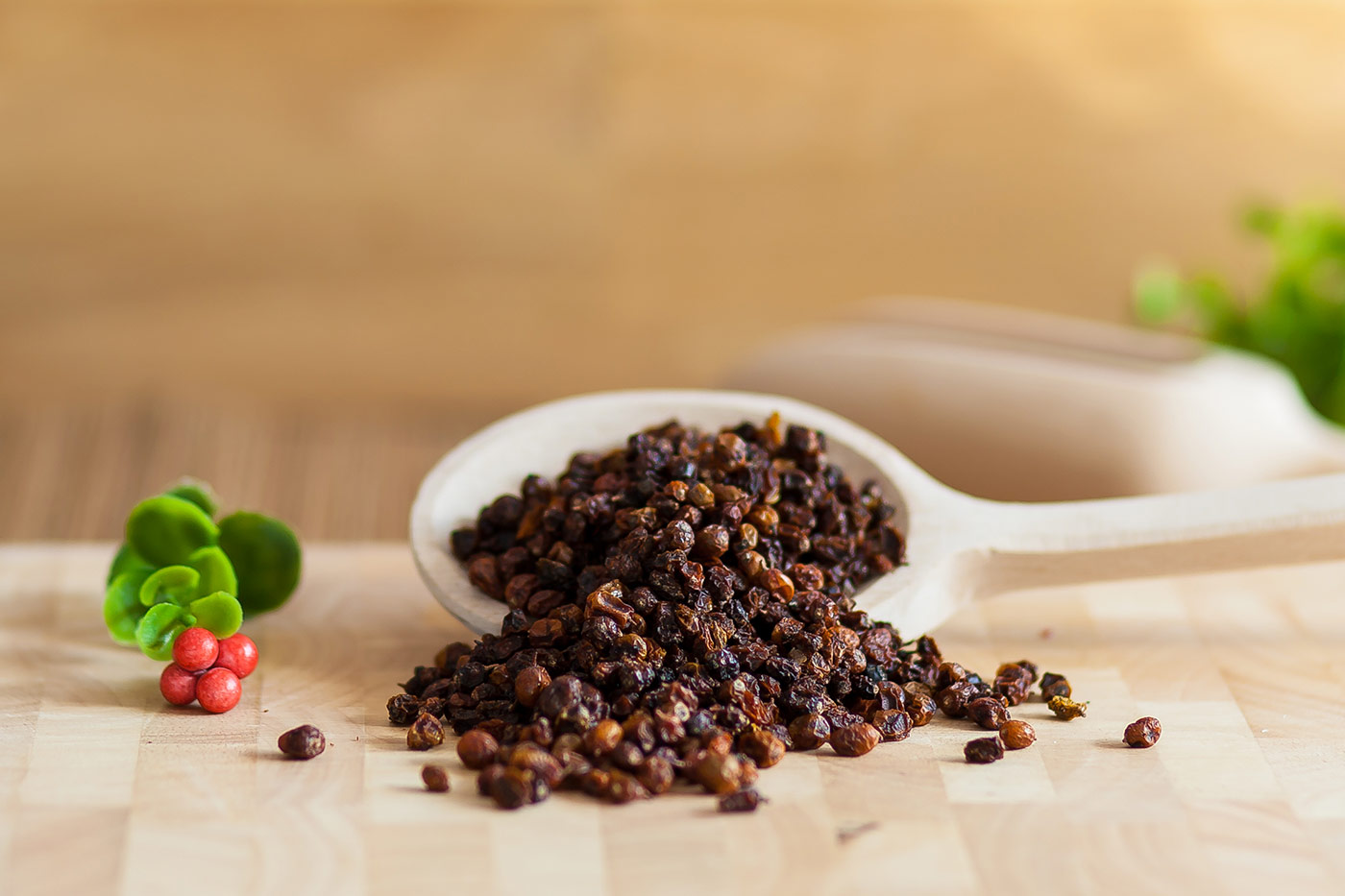
SuperfoodsSea buckhorn (Hippophaes) berries are edible and nutritious, although very acidic (astringent) and oily, unpleasant if eaten raw, unless “over-ripened” (frozen to reduce astringency) and/or mixed with sweeter apple juice, grape, etc. When the fruits are mashed, the resulting juice is separated into three layers: on top, a thin, orange layer; in the middle, a layer containing, characteristic for sea buckthorn, a high concentration of saturated and polyunsaturated fatty acids; and the lower layer, which is sediment and sap. It contains fats used for cosmetic purposes, the top two layers can be used for creams and ointments, while the bottom layer can be used as an edible product such as syrup. The nutrients and phytochemicals in sea buckthorn fruit have a positive effect against inflammation, cancer or other diseases, although no benefit to humans has yet been proven in clinical studies. Sea buckthorn contains more than 190 phytonutrients, i.e. substances that reduce the risk of heart disease, diabetes and some forms of cancer. The fruit has a high content of vitamin C — 114 to 1550mg per 100gr with an average content (695mg per 100gr) about 15 times more than an orange (45mg per 100gr) — which ranks sea buckthorn among the richest sources, in plants, in vitamin C. The fruit, however, contains omega-3, omega-6, omega-9 and the rare omega-7. Palmitoleic acid (omega-7) is particularly important because it can reduce the risk of type II diabetes, prevent the formation of atherosclerotic plaque, increase HDL-cholesterol and reduce a marker of inflammation called C-reactive protein (CRP), which is associated with an increased risk of heart attack and stroke. The leaves of the plant have been laboratory proven to contain large amounts of calcium, magnesium, potassium, beta-carotene, flavonoids, lycopene, polyphenols and vitamin E, which generally fight free radicals. Antioxidants and flavonoids can lower cholesterol according to studies. Even lycopene, if added to our daily diet, has been shown to reduce the chances of prostate, stomach and bowel cancer. Also, the leaves of sea buckthorn have something else that is not contained in the fruit and that is protein at a rate of 24%. Also, dried sea buckthorn leaves are rich in polyunsaturated fats, dietary fiber, proteins, minerals, trace elements and carbohydrates.
Packaging
Bag 100gr, 200gr & 350gr.
Packaging Nitrogen Packaging 500gr, 1,000gr & 2,500gr.
Plastic bucket 1,000 & 2,500gr.